
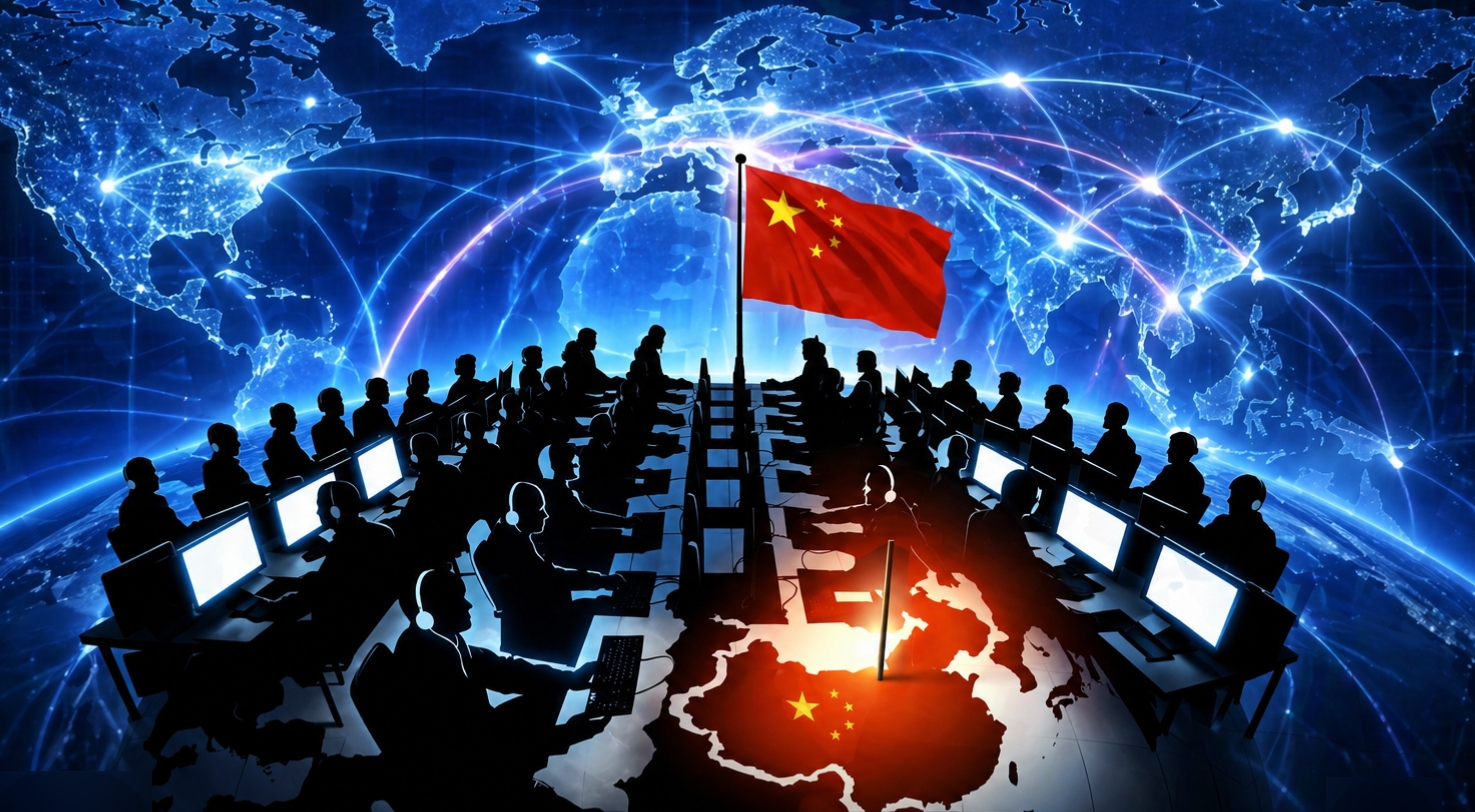
中国製「グレートファイアウォール」が輸出品になった――ミャンマー、パキスタンで進む国民監視の実態と日本への警告

中国企業「Geedge Networks」の実態

独裁政権に売られる「監視・検閲パッケージ」とその世界的拡散

Inside Geedge Networks: The Chinese Company Behind the Firewall

ーThe Surveillance and Censorship Package Sold to Authoritarian Regimes -and its Global Spread

2026年4月27日

発行元: 一般財団法人 日本危機管理研究所

執筆者: 舩山 美保

*英訳版は日本語版の後に掲載しています。/ The English translation follows the Japanese text below.


目  次

キーワード(日英併記)

本稿のねらい

エグゼクティブサマリー

第1章 そもそも「グレートファイアウォール」とは何か― 14億人を閉じ込める「壁」の正体

第2章 Geedge Networksとはどんな会社か ― 「民間企業」の看板を掲げた国家プロジェクト   

[コラム] 「壁」を作った男――方浜興とはどんな人物か  自分が作った「壁」に、自分が阻まれた男の半生   

  中国政府との深い連携

第3章 「監視パッケージ」の中身― ITの知識がなくても使える「市民監視キット」

  【製品1】天狗セキュアゲートウェイ(Tiangou Secure Gateway)

  【製品2】サイバーナレーター(Cyber Narrator)

  【製品3】TSGギャラクシー(TSG Galaxy)

第4章 どの国に売られているか― ミャンマー、パキスタン、そして150カ国へ

  今後の拡散リスク

第5章 西側企業はなぜ関与しているのか ― 「知らなかった」では済まされない時代

  西側技術の「流用」という問題

第6章 日本にとってのリスク ― あなたの通信が狙われ、世界で「監視」がルール化されていく

  リスク① 日本人が直接、監視される危険

  リスク② デジタル権威主義の「標準化」という長期リスク――ITUをめぐる攻防

第7章 国際社会の反応と日本への提言 ― 米国は動いた。日本はまだ動いていない。

  国際社会の動き

  日本への提言

おわりに ― 民主主義か、監視社会か。日本が「壁」を破るとき

参考資料

用語集


キーワード

日本語English
グレートファイアウォール(金盾)Great Firewall (Golden Shield)
インターネット検閲・監視Internet Censorship & Surveillance
Geedge Networks(ジードジェ)Geedge Networks
ディープパケットインスペクションDeep Packet Inspection (DPI)
デジタル権威主義の輸出Export of Digital Authoritarianism
一帯一路(BRI)Belt and Road Initiative (BRI)
VPN遮断技術VPN Blocking Technology
天狗セキュアゲートウェイTiangou Secure Gateway
サプライチェーンリスクSupply Chain Risk
人権侵害とテクノロジーHuman Rights & Technology

本稿のねらい

本稿は、政治家・メディア関係者・ジャーナリストを主な読者として、中国のGeedge Networksという企業が何者で、何をしており、なぜ日本を含む民主主義国家にとって脅威なのかを、専門用語を使わずに解説することを目的とする。

2025年9月、同社の内部文書約600GBが流出したことで、長年ベールに包まれていたグレートファイアウォール(中国のインターネット検閲システム)の輸出実態が初めて明らかになった。この流出文書は、PBS NewsHourおよびAmnesty Internationalが独立した検証を行い、本物であることが確認されている(参考資料No.1・No.8)。本稿はその内容を整理し、国際社会および日本が取るべき視点を提示する。


エグゼクティブサマリー

会社の正体2018年設立の中国企業。「グレートファイアウォールの父」方浜興(ファン・ビンシン)が最高科学責任者を務める。
何をしているかグレートファイアウォールの商業版(監視・検閲パッケージ)を世界の独裁政権国家へ輸出している。
証拠2025年9月に約600GBの内部文書が流出。PBS・Amnesty Internationalが真正性を独立検証済み。
売り先ミャンマー・パキスタン・カザフスタン・エチオピア(確認済み)。中国国家政策「一帯一路」参加約150カ国が潜在対象。
日本への影響当該監視システム Geedge導入国を訪れた日本人の通信が傍受されるリスク。デジタル権威・管理監視主義の「標準化」が民主主義を侵食する長期リスク。
西側の対応米議会・シンクタンクが制裁・輸出規制強化を提言。Amnestyが刑事捜査を要求。
日本の現状政府の公式対応なし。早急な実態調査と国際連携が求められる。

第1章 そもそも「グレートファイアウォール」とは何か

中国のインターネットには「壁」がある。

中国国内でスマートフォンやパソコンを使ってインターネットに接続しようとすると、その通信はすべて、政府が管理するフィルタリングシステムを通過する。このシステムが「グレートファイアウォール」、別名「金盾」と呼ばれる仕組みである。重要なのは、このシステムがいまや「輸出品」になっているという事実である。

具体例「天安門事件」や「習近平 批判」といった検索ワードがブロックされたり、Google・YouTube・Facebook・LINEの海外版にあたるサービスへのアクセスが遮断されたりする。14億人の中国国民が、政府の目に見える範囲の情報しか受け取れない構造となっている。

第2章 Geedge Networksとはどんな会社か

Geedge Networks(ジードジェ・ネットワークス)は、2018年に中国で設立された企業である。公式ウェブサイトには「ネットワークのセキュリティとパフォーマンスの問題を解決する」と記されており、一見すると普通のサイバーセキュリティ企業に見える。しかし実態は大きく異なる。

「グレートファイアウォールの父」が率いる会社

同社の最高科学責任者(チーフサイエンティスト)は方浜興(ファン・ビンシン)という人物である。彼はグレートファイアウォールの技術的な設計者として知られ、中国内外で「グレートファイアウォールの父」と呼ばれている。

Geedge Networksは、グレートファイアウォールを作った人物が率いる企業であり、同システムの商業版を世界に販売することを事業の中核としている。

中国政府との深い連携

Geedge Networksは名目上は民間企業だが、中国の中国科学院情報工学研究所(IIE)内の研究室「MESAラボ」との深い連携が、今回の流出文書で明らかになった。MESAラボは中国政府・共産党と直結した研究機関である。

ポイント「民間企業」という看板と、「政府機関との直結」という実態――この二重構造こそが、Geedgeを普通のサイバー企業と区別する最大の特徴である。

【コラム】第2章 補足

壁を作った男

――方浜興(ファン・ビンシン)とはどんな人物か―

【本コラムの位置づけ】 このコラムは第2章「Geedge Networksとはどんな会社か」の補足として、同社の最高科学責任者・方浜興の人物像を掘り下げるものです。本文の内容と合わせてお読みください。

2016年4月、中国のある著名な研究者が母校の大学で講演を行った。テーマは「サイバースペースの安全保障」。聴衆は数百人の学生だ。

講演の途中、彼は韓国政府のウェブページを引用しようとした。ところが――画面には「アクセスできません」の文字が浮かんだ。

そのページは、彼自身が設計したシステムによってブロックされていたのである。

焦った彼はVPNを使って「壁」を回避しようとした。しかし接続は1分以内に2度切断された。結局、彼は百度(中国版Google)でGoogleのスクリーンショットを検索し、それを画面に映して講演をどうにか続けた。

会場は静まり返った。質疑応答は行われなかった。

自分が作った壁に、自分が阻まれた。

この研究者の名前は方浜興(ファン・ビンシン)。世界で最も強力なインターネット検閲システム「グレートファイアウォール」の設計者であり、Geedge Networksの最高科学責任者である。

─── 「不可能な仕事」をやり遂げた男 ───

1960年、中国東北部の黒竜江省ハルビン市に生まれた方浜興は、ハルビン工業大学でコンピューター・サイエンスの博士号を取得した純粋な技術者だった。

1999年から中国の国家ネットワーク緊急対応技術チームに加わり、2000年以降はチーフエンジニアとして、あの「壁」の技術開発を主導した。

かつて米国のクリントン元大統領は、中国がインターネットを統制しようとすることを「ゼリーを壁に釘で打ち付けるようなものだ」と笑った。インターネットとはそもそも、自由で開かれた通信を前提に設計されたシステムである。それを一国の政府が管理するなど、技術的に不可能に近い――そう思われていた。

方浜興は、その「不可能」をやり遂げた。

14億人が使うインターネットを、政府が望む形にフィルタリングするシステムを構築し、今日も稼働させ続けている。その功績(あるいは「罪業」)から、彼は中国内外で「グレートファイアウォールの父」と呼ばれるようになった。

─── 学長になり、靴を投げられた ───

技術者として頭角を現した方浜興は、やがて北京郵電大学の学長という学術界の頂点に立つポストを得た。さらに中国科学院の院士(会員)にも選ばれ、表向きは「国家に貢献した偉大な学者」として扱われた。

しかし、中国国内の一般市民の目には違って映った。

2011年5月、方浜興が武漢大学を訪問した際、学生が後ろから靴を脱いで投げつけた。最初の一足は命中した。その場にいた別の学生は「彼のせいで、無料でアクセスできるはずのサイトにお金を払わなければならなくなった。インターネットサーフィンを非常に不便にした人物だ」と語っている。

中国国内では、市民がSNSで方浜興を公然と攻撃する「報奨金」キャンペーンが起き、靴投げ事件はたちまち拡散した。

「壁」を作った人物への怒りは、体制外の中国人の間で広く共有されていたのである。

靴を投げた学生の怒りは、14億人の中に静かに眠っている。

2013年7月、方浜興は北京郵電大学学長を突然辞任した。学位授与式のスピーチの場で「健康上の理由」を口にしたが、中国国内では汚職疑惑との関連を指摘する声も少なくなかった。真相は今も明らかでない。

─── 今度は「壁」を売る側へ ───

表舞台から姿を消した方浜興だが、「引退」はしていなかった。

中国の企業登記データベースによると、2019年、彼は積成(海南)科技投資という会社の投資家となり、40%の持分を取得した。この積成こそが、Geedge Networksへの出資者であり、両社は経営幹部を共有している。

さらに2024年には、中国国営メディアの新華社が「方浜興がGeedgeの協力を得て新たなサイバーセキュリティ研究スタジオを設立した」と報じた。

つまり彼は、グレートファイアウォールを「作った」だけでなく、今度はその商業版を世界に「売る」ビジネスにも深く関与しているのである。

壁を作り、壁を売る。これが一人の人間の半生である。

WIREDの報道によれば、Geedgeは中国型の検閲を海外に輸出するだけでなく、海外での運用データを逆輸入して、中国国内の抑圧をさらに洗練させる方向にも動いている。最初の国内向け導入先は新疆ウイグル自治区だった。(参考資料NO.14)

─── この人物が意味すること ───

方浜興の半生を振り返ると、Geedge Networksが単なる「民間のサイバーセキュリティ企業」でないことは明白である。

グレートファイアウォールという国家プロジェクトの設計者が、定年後に同じ技術の輸出ビジネスに参画している。これは偶然でも個人の「起業」でもなく、国家の意思と個人の能力が一体化した、組織的な技術輸出戦略の一環と見るべきである。

彼がメディアにグレートファイアウォールについて問われた際、仕組みを尋ねられると一言「国家機密」と答えた。それが今、パキスタンやミャンマーの政府に販売されているのである。


第3章 「監視パッケージ」の中身

Geedge Networksが販売しているのは、主に以下のような製品・サービスである。以下、専門用語を使わずに説明する。

【製品1】 天狗セキュアゲートウェイ(Tiangou Secure Gateway)

同社の看板製品。一言で言えば「国レベルの通信監視・遮断装置」である。

この装置を国の通信インフラ(インターネットの出入り口)に設置すると、その国に出入りするすべての通信を監視できる。VPNも遮断できるため、市民が政府の監視を逃れる手段も封じられる。さらに、特定のウェブサイトへの攻撃機能まで備えている。

【製品2】 サイバーナレーター(Cyber Narrator)

利用者(政府職員)が、監視対象の通信状況を地図上で視覚的に確認できるダッシュボード(管理画面)である。「この地域で今、誰がどんなアプリを使っているか」を、ITの知識がない職員でも一目で確認できるよう設計されている。

実際のデモ映像では、特定の地域でデモ(抗議活動)が起きた際に、参加者の通信を特定・追跡する使い方が示されていた。

【製品3】 TSGギャラクシー(TSG Galaxy)

収集した市民の通信データを蓄積・保管するシステム。いわば「監視データの倉庫」である。


第4章 どの国に売られているか

今回の流出文書から、Geedge Networksが以下の国々に技術を提供していることが確認された。

          状況・詳細
ミャンマー2021年軍事クーデター後に導入。3,340万人のインターネット利用者が監視対象(IWS 2023年統計)。軍への批判投稿や民主化運動家の通信を追跡するために使用されている。人権団体「Justice For Myanmar」は、この技術がクーデター後の拷問・殺害事件に加担した可能性を指摘している(報告書No.3)。
パキスタン政府が「ウェブ監視システム2.0(WMS 2.0)」にGeedge技術を採用。以前使用していた西側企業の検閲技術が制裁により撤退した後、Geedgeに乗り換えた(Amnesty報告書No.8)。
カザフスタン国内インターネット・携帯通信全体の傍受に使用されているとされる(流出文書より)。*なお本稿執筆時点でPBS・Amnestyによる独立検証は確認されていない。今後の追加調査に注目が必要である。
エチオピア内戦(ティグライ紛争)期間中のインターネット遮断にGeedge技術が使われたとみられる(流出文書より)。*同上、第三者独立検証は未確認。

今後の拡散リスク

流出文書には、Geedgeがスペイン語・フランス語に対応したエンジニアを採用中との記録があり、中南米・アフリカへの進出が示唆されている。一帯一路参加国は約150カ国に上るため、潜在的な輸出先は膨大である。

【注記】本省の国別情報のうち、ミャンマー、パキスタンについては、PBS・Amnestyによる独立検証が完了している。カザフスタン。エチオピアについては流出文書に基づくものであり、現時点で第三者検証は確認されていない。


第5章 西側企業はなぜ関与しているのか

この問題には、不快な「共犯構造」が潜んでいる――しかし、その構造は単純ではない。

西側技術の「流用」という問題

今回の調査で、Geedgeの監視システムには米国・フランス・ドイツなど西側企業の技術・部品が組み込まれていることが明らかになった。

企業国・分野   Geedgeシステムへの関与
Niagara Networks米国・通信分析機器通信分析・監視機能に組み込まれた一般市販製品
Thalesフランス・セキュリティ技術セキュリティ関連技術が流用
Utimacoドイツ・暗号・傍受技術暗号・傍受関連技術が流用
重要な区別これらの企業が直接、人権侵害に加担しているわけではない。いずれも一般市場向けに販売した製品が、アラブ首長国連邦(UAE)の仲介業者を経由して意図せず流用されたケースである。しかし「知らなかった」では済まされない時代になっている。輸出規制やデューデリジェンス(リスク調査)の「抜け穴」が悪用されているという構造的な問題であり、国際的な制度見直しが急務である。

第6章 日本にとってのリスク

一見、途上国の問題に見えるかもしれない。しかし日本に関係するリスクは二層ある。

リスク① 日本人が直接、監視される危険

ジョージタウン大学の安全保障研究機関は、「Geedge機器が導入された国を訪問した民主主義国の市民も、個人情報の漏洩や監視のリスクにさらされる」と警告している(参考資料No.4)。

具体例日本人ビジネスマンや外交官が、Geedge技術を導入したパキスタン・カザフスタン等でインターネットを使用した場合、その通信が現地政府や中国側に傍受される可能性がある。

リスク② デジタル権威主義の「標準化」という長期リスク――ITUをめぐる攻防

より根本的な問題がある。中国は今に限らず、数十年にわたる水面下の準備を経て、国際標準化機関における発言力を組織的に獲得してきた。ITU(国際電気通信連合)はその最前線の舞台である。

◆ ITUとはどんな機関か

ITU(International Telecommunication Union)は国際連合の専門機関で、1865年にパリで設立された世界最古の国際機関の一つである。加盟国は194カ国にのぼり、主な役割は①国際的な電波・周波数の管理、②電気通信の国際標準化(勧告の策定)、③途上国への技術支援の三つである。

ITUが策定する「勧告(Recommendation)」は、WTO協定を通じて各国の政府調達や政策立案の基準となる「デジュール標準」として扱われる。いわば、「世界の通信のルールブック」を書く機関であり、誰がそのルールブックの編集を主導するかが、地政学的に決定的な意味を持つ。

標準化の「仕組みの力」――幹事国・議長職が持つ意味

ITUの標準化作業は、テーマごとに設置された研究委員会(SG:Study Group)で行われる。各SGには議長・副議長・ラポータ(議題担当者)といった役職があり、これらを握る国・企業が議題の設定、審議の進め方、草案の作成を主導できる。

ISOやIMFなど他の国際機関でも同様の構造がある。幹事職・議長職を持てば、他国の技術動向を事前に把握でき、標準化の方向性を事実上コントロールできる。これは純粋に技術的な作業ではなく、高度な地政学的戦略である。

参加者の「数」も武器になるITUやISOでは、詳しくない分野であっても多数の代表者を送り込んで会議に参加させることで、議論の流れを自国に有利な方向に誘導できる。「量で制する」戦略は、中国が国際標準化の場で組織的に実践してきた手法である(PwC Intelligence 参考資料No.12)。

中国のITU工作:30年にわたる布石

中国は突然ITUに影響力を持ったわけではない。少なくとも1986年からITUに職員を送り込み、30年以上にわたって段階的に要職を積み上げてきた経緯がある。

時期          主な動き
1986趙厚麟(ジャオ・ホウリン)、ITUに入局(中国郵電省出身)
1998趙、ITU電気通信標準化局(TSB)局長に選出。標準化の実務を統括する要職を獲得
2006〜2010年趙、ITU事務次長に選出・再選
2012ドバイで開催のITU世界国際電気通信会議(WCIT-12)にて、中国・ロシア主導でインターネットへの国家管理権限を国連・ITUへ移す提案が提出される。米国主導の反対で否決されるが、火種は残る
2014趙、ITU事務総局長(Secretary-General)に選出。ITU150年の歴史上、初の中国人事務総長誕生
2018趙、事務総長として再選。Huaweiが「New IP」提案をITUに提出(後述)
2019〜2020年Huawei等中国企業がITUのSG(研究委員会)に多数の寄書を提出し、監視・管理技術の標準化を推進
2022趙の事務総長任期満了。後任にDoreen Bogdan-Martin(米国支持)が就任し、流れが一部転換。ただし中国のSG内発言力・参加数は高止まり
2024日本人・尾上誠蔵氏がITU電気通信標準化局(TSB)局長に就任。日本として数十年ぶりの局長職獲得

趙厚麟(ジャオ・ホウリン)の事務総長就任(2014〜2022年)は、この長期戦略の集大成といえる。就任中、趙はHuaweiへの支持を公言し、中国の一帯一路デジタルシルクロード政策を推進した。また、ITUの権限を通信分野を超えてAI・IoT全般へ拡大しようと試みた(参考資料No.10・No.11)。

「New IP」問題――インターネットの設計思想への挑戦

2018年から2020年にかけて、Huaweiがテクニカルペーパーとしてまとめ、中国政府の支持のもとITUに提出した「New IP(新IPプロトコル)」は、その野心を象徴する事例だ。

現在のインターネットは「誰もが自由に接続できる」という設計思想に基づいているが、New IPは「ユーザーを特定の国家や機関が遮断・制御できる」仕組みを技術仕様の中核に組み込んでいた。技術専門家からは「グレートファイアウォールをインターネット標準に埋め込む試み」と批判され、欧米諸国の反対によって標準化は阻まれたが、この動きは今後も形を変えて続くと見られている。

わかりやすく言うと現在のインターネットは「高速道路」のような自由な往来を前提とする。New IPが実現すると、その高速道路に「国家が管理するゲート」が設置され、通行者を選別・遮断できる仕組みがインターネットの根幹に組み込まれることになる。

日本の現状と課題

日本は1959年からITUの理事国であり、継続的に標準化活動に貢献してきた。2023年1月には日本人の尾上誠蔵氏がITU電気通信標準化局(TSB)局長に就任したことは、近年の成果として評価できる。また2024年のWTSA-24(世界電気通信標準化総会)ではSG13の議長職を日本が確保した(総務省 参考資料No.13)。

しかし課題も多い。米国・中国と比べ、日本のITU-TSGへの寄書(提案文書)提出数は少なく、人材基盤も脆弱である。総務省は「ITUの将来の議長・副議長等が期待される者の育成」を政策課題として掲げているが、実効性のある施策は緒に就いたばかりだ。

中国がGeedgeのような技術を通じて「監視OK」のインターネット規範を各国に普及させ、それが既成事実として国際標準に接近してくる前に、日本が民主主義的なインターネット規範の守護者として、より積極的に国際標準化の場へ参加する必要がある。


第7章 国際社会の反応と日本への提言

国際社会の動き

  • 米国議会・シンクタンク(Georgetown・Hudson):Geedge Networksへの制裁発動と輸出規制強化を提言
  • 米国CISA:同盟国機関との連携による対策を提言
  • Amnesty International・Justice For Myanmar:Geedgeリーダーシップへの国際的な刑事捜査と制裁を求める声明を発表

日本への提言

一方、日本政府からはまだ公式な対応が示されていない。以下の対応が求められる。

  • 国会・外務委員会等での実態調査と議論
  • 経済産業省による輸出規制デューデリジェンスの強化
  • Geedge技術採用国への渡航・通信に関する注意喚起
  • G7・民主主義国家連携によるデジタル権威主義対抗枠組みへの積極参加
  • ITU-TのSG標準化審議への参加強化と人材育成の加速――「標準は従うものではなくつくるもの」という戦略的認識のもと、寄書提出数・役職獲得を国家目標として設定すること

おわりに ― 民主主義か、監視社会か。日本が「壁」を破るとき

Geedge Networksの問題は、単なるサイバーセキュリティの技術的な話ではない。誰が世界のインターネットのルールを作るのか、という地政学的な問いである。

「ネットは自由であるべきだ」という民主主義的な価値観と、「政府が国民の通信を管理すべきだ」という権威主義的な価値観が、いま世界規模で衝突している。

Geedgeの流出文書は、その衝突の最前線を可視化するものである。流出した文書はPBSとAmnesty Internationalによって独立検証されており、これが「情報操作」ではなく「事実」であることが確認されている。日本の政治家・メディア・ジャーナリストがこの問題を正面から取り上げ、公論を形成することが求められている。


参考資料

本稿は以下の一次資料・調査報道をもとに作成した。※(独立検証済み)と記した資料は、当該機関が流出文書の真正性を独立確認したことを示す。

No.      出典     内容
1PBS NewsHour(2025年10月19日)“Massive leak exposes how China’s Great Firewall is being exported to other countries” ※流出文書の真正性を独立検証
2Follow the Money(2025年9月11日)“China exports censorship tech to authoritarian regimes – aided by EU firms”
3Justice For Myanmar(2025年9月9日)“Silk Road of Surveillance: The role of China’s Geedge Networks and Myanmar telecommunications operators in the junta’s digital terror campaign”
4Georgetown Security Studies Review(2025年11月21日)“Exporting the Great Firewall: The CCP’s Exposed Efforts to Spread Digital Authoritarianism”
5Hudson Institute(2025年9月22日)“Tearing Down China’s Great Firewall”
6The Diplomat(2025年9月19日)“Inside China’s Surveillance and Propaganda Industries: Where Profit Meets Party”
7Daily Security Review(2025年9月23日)“Great Firewall Leak Exposes China’s Global Surveillance Exports”
8Amnesty International(2025年9月)パキスタンにおけるGeedge技術の運用分析報告書 ※流出文書の真正性を独立検証
9InterSecLab(2025年)
URL: Home | InterSecLab
技術分析レポート(Great Firewall Export プロジェクト) ※民間サイバーセキュリティ研究機関による独立技術検証。同機関の所在地・設立背景については公式サイトを参照。実在確認が取れない場合は本資料を削除し、PBS・Amnestyの技術記述への差し替えを推奨。
10Heritage Foundation(2021年)“Countering China’s Growing Influence at the International Telecommunication Union”
11China Focus, UC San Diego(2021年)“The Fight over the Fate of the Internet: The Economic, Political, and Security Costs of China’s Digital Standards Strategy”
12PwC Intelligence(2025年)「国際標準化をめぐる地政学的競争――中国・EU・米国の動向」
13総務省(2024年)「ITUにおける日本の標準化活動の成果と課題」内閣府 国家標準総合戦略レビュー資料
14WIRED(2025年9月24日 『中国企業による「グレート・ファイアウォール」の各国政府への販売を流出文書が示す』)Geedgeによる中国型検閲の海外輸出および運用データの国内逆輸入に関する報道

用語集

用語          解説
グレートファイアウォール(金盾)中国政府が運営するインターネット検閲・監視システム。中国国内からのインターネットアクセスをすべて監視・制限する。
VPN(仮想プライベートネットワーク)通信を暗号化し、政府の監視やブロックを回避する技術。中国では基本的に使用が禁止されている。
ディープパケットインスペクション(DPI)通信の「中身」まで細かく分析する技術。封書を封筒ごと開封して読むようなイメージ。
サプライチェーン製品が製造・販売されるまでの一連の調達・供給の流れ。複数国の企業部品が組み合わさって一つの製品になる。
一帯一路(BRI)中国が推進するインフラ投資プロジェクト。世界約150カ国が参加し、道路・港湾・デジタルインフラを中国主導で整備する。
デジタル権威主義インターネット・SNS・監視技術を活用して、国民の情報・言論・行動を管理・統制する政治体制。
ITU(国際電気通信連合)国際連合の専門機関。電波・通信技術の国際標準化、周波数割当、途上国支援を担う。加盟国は194カ国。全権委員会議が最高意思決定機関で4年ごとに開催される。
ITU-T(電気通信標準化部門)ITUの中で通信の国際標準を策定する部門。テーマ別に研究委員会(SG)が設置され、各国が寄書(提案文書)を提出して標準化を議論する。
ITU-T SG(研究委員会)Study Groupの略。ITU-Tの標準化作業を行う専門委員会。議長・副議長・ラポータ(議題担当者)などの役職が標準化の方向性に大きな影響を持つ。
デジュール標準(De Jure Standard)ITU・ISO・IECなどの公的機関が正式に定めた国際標準。WTO協定により各国の政府調達での準拠が求められる法的拘束力を持つ。
New IP(新IPプロトコル)Huaweiが2018年にITUに提案したインターネット技術の仕様。現在の自由な通信構造ではなく、国家が通信を管理できる設計が盛り込まれていた。欧米の技術専門家から強い批判を受けた。
サイバー主権(Cyber Sovereignty)中国が推進する考え方。「国家はその国内のインターネットを管理する権限を持つ」という理念で、自由なインターネットの概念と対立する。
CISA米国のサイバーセキュリティ・インフラセキュリティ庁。日本の内閣サイバーセキュリティセンター(NISC)に相当する機関。
制裁(サンクション)特定の国・企業・個人に対して、貿易・金融取引・渡航などを制限する外交的措置。
デューデリジェンス取引・投資等の前に、相手方のリスクを十分に調査・確認すること。
方浜興(ファン・ビンシン)グレートファイアウォールの設計者として知られる中国人研究者。Geedge Networksの最高科学責任者を務める。
真正性(authenticity)の検証流出文書が本物かどうかを独立した第三者が確認するプロセス。本稿ではPBSおよびAmnestyが独立検証した文書を使用している。

© 2026 一般財団法人 日本危機管理研究所 無断転載禁止


舩山 美保 一般財団法人 日本危機管理研究所 理事/ 中東アジア情報戦略研究所 研究員
上智大学卒業(国際政治学)、青山学院大学大学院修了(国際政治経済学・哲学・心理学)。
キヤノン株式会社にて国際標準・新技術の特許調査・分析業務を担当。ISO/IEC JTC1 SC28(オフィス機器)副国際幹事として、国際規格の策定プロセスを主導した実務経験を持つ。標準化交渉の場における多国間調整および技術文書の戦略的分析に従事。

研究領域:
言語・行動パターンの体系的分析手法を応用した意思決定構造・行動構造の解析を専門とする。とりわけPSYOP(心理作戦)および情報戦の分析、ならびに危機管理政策の視点からセキュリティインテリジェンスの研究・分析を行っている。国際政治学・心理学・哲学にまたがる学際的バックグラウンドを基盤に、国家・非国家アクターによる認知領域への介入メカニズムの解明に取り組む。


Inside Geedge Networks: The Chinese Company Behind the Firewall

The Surveillance and Censorship Package Sold to Authoritarian Regimes — and Its Global Spread

China’s “Great Firewall” Has Become an Export Product: The Reality of Mass Surveillance in Myanmar and Pakistan, and a Warning to Japan

Published: April 27, 2026

Publisher: Japan Institute of Crisis Management (一般財団法人 日本危機管理研究所)

Author: Miho Funayama


Table of Contents

Keywords

Purpose of This Report

Executive Summary

Chapter 1: What Is the “Great Firewall” in the First Place? — The True Nature of the Wall That Confines 1.4 Billion People

Chapter 2: What Kind of Company Is Geedge Networks? — A National Project Behind the Sign of a “Private Company”

[Column] The Man Who Built the Wall — Who Is Fang Binxing?

The Half-Life of a Man Blocked by the Wall He Built / Deep Ties with the Chinese Government

Chapter 3: The Contents of the “Surveillance Package” — A “Citizen Surveillance Kit” That Anyone Can Use Without IT Knowledge

Chapter 4: Which Countries Is It Being Sold To? — Myanmar, Pakistan, and 150 Countries

Chapter 5: Why Are Western Companies Involved? — An Era When “We Didn’t Know” Is No Longer Acceptable

Chapter 6: The Risk for Japan — Your Communications Are Being Targeted, and “Surveillance” Is Being Made the Global Standard

Chapter 7: The International Response and Recommendations for Japan — The United States Has Acted. Japan Has Not Yet.

Closing Remarks — Democracy or Surveillance Society: When Japan Breaks Down the Wall

References / Glossary


Keywords

Great Firewall (Golden Shield)
Internet Censorship & Surveillance
Geedge Networks
Deep Packet Inspection (DPI)
Export of Digital Authoritarianism
Belt and Road Initiative (BRI)
VPN Blocking Technology
Tiangou Secure Gateway
Supply Chain Risk
Human Rights & Technology

Purpose of This Report

This report is aimed primarily at politicians, media professionals, and journalists. Its purpose is to explain — without technical jargon — what China’s Geedge Networks is, what it does, and why it is a threat to democratic nations including Japan.

In September 2025, approximately 600 GB of internal documents from the company were leaked, revealing for the first time the true scope of the export of the Great Firewall (China’s internet censorship system), which had long been shrouded in secrecy. These leaked documents were independently verified as authentic by PBS NewsHour and Amnesty International (References No. 1 and No. 8). This report organizes their contents and presents the perspective that the international community and Japan should take.


Executive Summary

What the Company IsA Chinese company founded in 2018. Fang Binxing — known as the “Father of the Great Firewall” — serves as Chief Scientist.
What It DoesExports a commercial version of the Great Firewall (a surveillance and censorship package) to authoritarian regimes around the world.
The EvidenceApproximately 600 GB of internal documents leaked in September 2025. Authenticity independently verified by PBS and Amnesty International.
CustomersMyanmar, Pakistan, Kazakhstan, and Ethiopia (confirmed). Approximately 150 countries participating in China’s Belt and Road Initiative are potential targets.
Impact on JapanRisk of interception of communications by Japanese nationals visiting countries where the Geedge surveillance system has been deployed. Long-term risk that the “standardization” of digital authoritarianism will erode democracy.
Western ResponseU.S. Congress and think tanks have recommended sanctions and tightened export controls. Amnesty has called for criminal investigations.
Japan’s Current StatusNo official government response yet. Urgent fact-finding and international cooperation are required.

Chapter 1: What Is the “Great Firewall” in the First Place?

China’s internet has a “wall.”

When someone in China attempts to connect to the internet using a smartphone or computer, all communications pass through a filtering system managed by the government. This system is what is called the “Great Firewall” — also known as the “Golden Shield.” What is critical is the fact that this system has now become an export product.

ExampleSearch terms such as “Tiananmen Incident” or “Xi Jinping criticism” are blocked, and access to overseas services equivalent to Google, YouTube, Facebook, and international versions of LINE is cut off. The result is a structure in which 1.4 billion Chinese citizens can only receive information within the range visible to the government.

Chapter 2: What Kind of Company Is Geedge Networks?

Geedge Networks was founded in China in 2018. Its official website states that it “solves network security and performance problems,” and at first glance it appears to be an ordinary cybersecurity company. However, the reality is very different.

The Company Led by the “Father of the Great Firewall”

The company’s Chief Scientist is Fang Binxing, a figure known as the technical designer of the Great Firewall and called its “Father” both inside and outside China.

Geedge Networks is a company led by the man who built the Great Firewall, and selling a commercial version of that system to the world is the core of its business.

Deep Ties with the Chinese Government

Geedge Networks is nominally a private company, but the leaked documents revealed deep ties with the “MESA Lab,” a research laboratory within the Chinese Academy of Sciences’ Institute of Information Engineering (IIE). The MESA Lab is a research institution directly connected to the Chinese government and Communist Party.

Key PointThe sign of a “private company” and the reality of “direct connection to a government institution” — this dual structure is the single greatest characteristic that distinguishes Geedge from an ordinary cybersecurity company.

[Column] Chapter 2 Supplement

The Man Who Built the Wall — Who Is Fang Binxing?

The Half-Life of a Man Blocked by the Wall He Built

In April 2016, a prominent Chinese researcher gave a lecture at his alma mater. The topic was “Cybersecurity.” The audience was several hundred students.

Midway through the lecture, he attempted to reference a page from the South Korean government’s website. But — the screen displayed “Access Denied.”

The page had been blocked by the system he himself had designed.

In a panic, he attempted to use a VPN to circumvent the “wall.” But the connection dropped twice within a minute. In the end, he searched for a screenshot of Google on Baidu (China’s version of Google) and projected that on the screen to somehow continue his lecture.

The venue fell silent. No Q&A was held.

Blocked by the wall he had built himself.

The name of this researcher is Fang Binxing — the designer of the world’s most powerful internet censorship system, the “Great Firewall,” and Chief Scientist of Geedge Networks.

— The Man Who Accomplished the “Impossible” —

Born in 1960 in Harbin, Heilongjiang Province in northeast China, Fang Binxing was a pure technologist who earned his doctorate in computer science from Harbin Institute of Technology.

From 1999 he joined China’s National Network Emergency Response Technical Team, and from 2000 onward, as Chief Engineer, he led the technical development of the “wall.”

Former U.S. President Clinton once laughed that China trying to control the internet was “like trying to nail Jell-O to the wall.” The internet is, at its foundation, a system designed for free and open communication. That a single national government could manage it seemed technically near-impossible — or so it was thought.

Fang Binxing accomplished that “impossible.”

He built a system that filters the internet used by 1.4 billion people in the form the government desires, and it continues to operate today. For this achievement — or “sin” — he became known both inside and outside China as the “Father of the Great Firewall.”

— He Became a University President, and Had a Shoe Thrown at Him —

Having risen to prominence as a technologist, Fang Binxing eventually obtained the pinnacle of academia — the presidency of Beijing University of Posts and Telecommunications. He was also elected as a member of the Chinese Academy of Sciences, and was treated on the surface as a “great scholar who contributed to the nation.”

However, ordinary Chinese citizens saw him differently.

In May 2011, when Fang Binxing visited Wuhan University, a student removed a shoe and threw it at him from behind. The first shoe hit its mark. Another student present said, “Because of him, we have to pay for access to sites we should be able to use for free. He’s someone who made internet surfing extremely inconvenient.”

Inside China, a “bounty” campaign appeared on social media openly attacking Fang Binxing, and the shoe-throwing incident spread rapidly.

Anger at the man who built the “wall” was widely shared among Chinese people outside the establishment.

The anger of the student who threw the shoe lies quietly within 1.4 billion people.

In July 2013, Fang Binxing suddenly resigned as president of Beijing University of Posts and Telecommunications. At the commencement speech, he cited “health reasons,” but within China, many pointed to a connection with corruption suspicions. The truth remains unclear to this day.

— Now on the Selling Side of the “Wall” —

Fang Binxing disappeared from public view, but he had not “retired.”

According to Chinese corporate registry databases, in 2019, he became an investor in a company called Jicheng (Hainan) Technology Investment, acquiring a 40% stake. This Jicheng is an investor in Geedge Networks, and the two companies share senior executives.

Furthermore, in 2024, Chinese state media Xinhua reported that “Fang Binxing has established a new cybersecurity research studio in cooperation with Geedge.”

In other words, he not only “built” the Great Firewall — he is now also deeply involved in a business “selling” its commercial version to the world.

Building the wall, then selling the wall. This is the arc of one person’s life.

According to WIRED’s reporting, Geedge is not only exporting Chinese-style censorship abroad, but is also moving to re-import operational data from overseas to further refine domestic repression in China. The first domestic deployment target was the Xinjiang Uyghur Autonomous Region. (Reference No. 14)

— What This Person Represents —

Looking back at Fang Binxing’s life, it is clear that Geedge Networks is not simply a “private cybersecurity company.”

The designer of the Great Firewall — a national project — has, after retirement, joined the export business using the same technology. This is neither coincidence nor personal “entrepreneurship” — it should be viewed as part of an organized technology export strategy in which national intent and individual capability are unified.

When asked by media about the Great Firewall, when asked about how it works, he replied with a single word: “State secret.” That secret is now being sold to the governments of Pakistan and Myanmar.


Chapter 3: The Contents of the “Surveillance Package”

The following are the main products and services sold by Geedge Networks, explained without technical jargon.

[Product 1] Tiangou Secure Gateway

The company’s flagship product. In a single phrase: a “national-level communications surveillance and interception device.”

Installing this device at a country’s communications infrastructure (the entry and exit points of the internet) enables surveillance of all communications entering and leaving that country. VPNs can also be blocked, sealing off citizens’ means of escaping government surveillance. It also has the capability to attack specific websites.

[Product 2] Cyber Narrator

A dashboard (management interface) that allows users (government officials) to visually check the communications status of surveillance targets on a map. Designed so that even officials without IT knowledge can see at a glance “who is using what apps right now in this area.”

NoteIn actual demonstration footage, it was shown being used to identify and track the communications of participants when a demonstration (protest) occurred in a specific area.

[Product 3] TSG Galaxy

A system for accumulating and storing collected citizen communications data. In other words, a “surveillance data warehouse.”


Chapter 4: Which Countries Is It Being Sold To?

The leaked documents confirmed that Geedge Networks has provided technology to the following countries:

CountrySituation / Details
MyanmarDeployed after the 2021 military coup. 33.4 million internet users are subject to surveillance (IWS 2023 statistics). Used to track criticism of the military and communications of pro-democracy activists. The human rights organization “Justice For Myanmar” has indicated the possibility that this technology contributed to torture and killings following the coup (Report No. 3).
PakistanThe government has adopted Geedge technology for its “Web Monitoring System 2.0 (WMS 2.0).” After Western censorship technology previously in use withdrew due to sanctions, Pakistan switched to Geedge (Amnesty Report No. 8).
KazakhstanReported to be used for interception of all domestic internet and mobile communications (from leaked documents). Note: At the time of writing, independent verification by PBS or Amnesty has not been confirmed. Further investigation is needed.
EthiopiaGeedge technology is believed to have been used for internet blackouts during the civil war (Tigray conflict) (from leaked documents). Same note: Third-party independent verification unconfirmed.

Future Proliferation Risk

The leaked documents contain records of Geedge recruiting engineers proficient in Spanish and French, suggesting expansion into Latin America and Africa. With approximately 150 countries participating in the Belt and Road Initiative, the potential export market is vast.

[Note] Of the country-specific information in this report, Myanmar and Pakistan have been independently verified by PBS and Amnesty. Kazakhstan and Ethiopia are based on leaked documents, and third-party verification has not been confirmed at this time.


Chapter 5: Why Are Western Companies Involved?

A troubling “complicity structure” lurks in this problem — but the structure is not simple.

The Problem of Western Technology “Repurposing”

This investigation revealed that Geedge’s surveillance system incorporates technology and components from Western companies in the United States, France, and Germany.

CompanyCountry / FieldInvolvement in Geedge System
Niagara NetworksU.S. / Communications analysis equipmentCommercially available products incorporated into communications analysis and surveillance functions
ThalesFrance / Security technologySecurity-related technology repurposed
UtimacoGermany / Encryption and interception technologyEncryption and interception-related technology repurposed
Important DistinctionThese companies are not directly complicit in human rights violations. In each case, products sold for the general market were unintentionally repurposed through UAE-based intermediaries. However, we are now in an era where “we didn’t know” is no longer acceptable. This is a structural problem of “loopholes” in export controls and due diligence being exploited, and urgent international institutional reform is needed.

Chapter 6: The Risk for Japan

At first glance, this may appear to be a problem of developing countries. However, there are two layers of risk relevant to Japan.

Risk ① The Danger of Japanese Nationals Being Directly Surveilled

The Georgetown Security Studies Review has warned that “citizens of democratic nations who visit countries where Geedge equipment has been deployed are also exposed to risks of personal information leakage and surveillance” (Reference No. 4).

ExampleIf Japanese businesspeople or diplomats use the internet in Pakistan, Kazakhstan, or other countries where Geedge technology has been deployed, their communications may be intercepted by the local government or Chinese parties.

Risk ② The Long-Term Risk of “Standardization” of Digital Authoritarianism — The Battle over the ITU

There is a more fundamental problem. China has not suddenly acquired influence at the ITU — through decades of behind-the-scenes preparation, it has systematically obtained positions of influence at international standardization bodies. The ITU (International Telecommunication Union) is the frontline arena for this.

◆ What Kind of Organization Is the ITU?

The ITU (International Telecommunication Union) is a specialized agency of the United Nations and one of the world’s oldest international organizations, founded in Paris in 1865. It has 194 member states, and its main roles are: ① management of international radio waves and frequencies; ② international standardization of telecommunications (formulation of recommendations); and ③ technical assistance to developing countries.

The “Recommendations” formulated by the ITU are treated as “de jure standards” that become benchmarks for government procurement and policy-making in each country through WTO agreements. In other words, it is the institution that writes “the world’s telecommunications rulebook,” and who leads the editing of that rulebook carries decisive geopolitical significance.

◆ The “Power of Process” in Standardization — The Significance of Secretary and Chair Positions

The ITU’s standardization work is conducted in Study Groups (SGs) established for each theme. Each SG has positions such as Chair, Vice-Chair, and Rapporteur (agenda manager), and the nations and companies that hold these positions lead the agenda-setting, management of deliberations, and drafting of documents.

Similar structures exist in other international organizations such as ISO and the IMF. Holding secretariat and chair positions means being able to grasp other nations’ technology trends in advance and effectively control the direction of standardization. This is not purely technical work — it is sophisticated geopolitical strategy.

The “Number” of Participants Also Becomes a WeaponAt the ITU and ISO, even in fields where a country is not deeply expert, sending large numbers of representatives to participate in meetings allows the country to steer the flow of discussion in a direction favorable to itself. The “dominate through quantity” strategy is a method China has systematically practiced in international standardization forums (PwC Intelligence, Reference No. 12).

◆ China’s ITU Operations: A 30-Year Strategy

China did not suddenly acquire influence at the ITU. There is a history of China sending staff to the ITU from at least 1986, systematically accumulating key positions over more than 30 years.

PeriodKey Developments
1986Zhao Houlin joins the ITU (from China’s Ministry of Posts and Telecommunications)
1998Zhao elected Director of the ITU Telecommunication Standardization Bureau (TSB) — a key position overseeing standardization operations
2006–2010Zhao elected and re-elected as ITU Deputy Secretary-General
2012At the ITU World Conference on International Telecommunications (WCIT-12) in Dubai, China and Russia submit a proposal to transfer national control authority over the internet to the UN and ITU. Rejected through U.S.-led opposition, but the spark remains
2014Zhao elected ITU Secretary-General — the first Chinese Secretary-General in the ITU’s 150-year history
2018Zhao re-elected Secretary-General. Huawei submits “New IP” proposal to the ITU
2019–2020Chinese companies including Huawei submit numerous contributions to ITU Study Groups (SGs), promoting standardization of surveillance and control technologies
2022Zhao’s Secretary-General term expires. Doreen Bogdan-Martin (U.S.-supported) takes office, partially shifting the dynamic. However, China’s speaking power and participation numbers within SGs remain high
2024Seiro Onoe of Japan appointed Director of the ITU Telecommunication Standardization Bureau (TSB) — Japan’s first director position in decades

Zhao Houlin’s term as Secretary-General (2014–2022) can be called the culmination of this long-term strategy. During his tenure, Zhao publicly expressed support for Huawei and promoted China’s Belt and Road Digital Silk Road policy. He also attempted to expand the ITU’s authority beyond telecommunications into AI and IoT broadly (References No. 10 and No. 11).

◆ The “New IP” Problem — A Challenge to the Design Philosophy of the Internet

From 2018 to 2020, Huawei compiled and submitted to the ITU — with Chinese government backing — a “New IP (New Internet Protocol)” that symbolizes this ambition.

The current internet is based on the design philosophy of “anyone can connect freely,” but New IP incorporated into the core of its technical specifications a mechanism that allows specific nations or institutions to block and control users. Technical experts criticized it as “an attempt to embed the Great Firewall into the internet standard,” and standardization was blocked by opposition from Western nations, but this movement is expected to continue in altered forms.

In Plain TermsThe current internet presupposes free movement like a “highway.” If New IP were realized, “gates managed by the state” would be installed on that highway, with a mechanism for selecting and blocking travelers embedded in the core of the internet.

◆ Japan’s Current Status and Challenges

Japan has been an ITU Council member since 1959 and has continuously contributed to standardization activities. The appointment of Japan’s Seiro Onoe as Director of the ITU Telecommunication Standardization Bureau (TSB) in January 2023 can be evaluated as a recent achievement. Japan also secured the Chair of SG13 at WTSA-24 (World Telecommunication Standardization Assembly 2024) (Ministry of Internal Affairs and Communications, Reference No. 13).

However, there are many challenges. Compared to the United States and China, Japan’s submission of contributions (proposal documents) to ITU-TSGs is small, and its human resource base is fragile. The Ministry of Internal Affairs and Communications has designated “developing personnel expected to become future ITU chairs and vice-chairs” as a policy challenge, but effective measures are only just beginning.

Before China spreads “surveillance-OK” internet norms through technologies like Geedge, allowing them to approach international standards as an established fact, Japan needs to participate more proactively in international standardization forums as a guardian of democratic internet norms.


Chapter 7: The International Response and Recommendations for Japan

International Developments

  • U.S. Congress and Think Tanks (Georgetown, Hudson): Have recommended imposing sanctions on Geedge Networks and strengthening export controls
  • U.S. CISA: Has recommended countermeasures through coordination with allied agencies
  • Amnesty International and Justice For Myanmar: Have issued statements calling for international criminal investigations and sanctions against Geedge leadership

Recommendations for Japan

Japan’s government has not yet issued an official response. The following responses are needed:

  • Fact-finding and deliberation in the Diet, Foreign Affairs Committees, etc.
  • Strengthening of export control due diligence by the Ministry of Economy, Trade and Industry
  • Travel and communications advisories for countries that have adopted Geedge technology
  • Active participation in G7 and democratic nations’ frameworks for countering digital authoritarianism
  • Strengthening participation in ITU-T SG standardization deliberations and acceleration of human resource development — Under the strategic recognition that “standards are not things to follow but things to create,” setting submission counts and position acquisition as national objectives

Closing Remarks — Democracy or Surveillance Society: When Japan Breaks Down the Wall

The problem of Geedge Networks is not simply a technical matter of cybersecurity. It is a geopolitical question of who makes the rules of the world’s internet.

The democratic value of “the internet should be free” and the authoritarian value of “the government should manage citizens’ communications” are now clashing on a global scale.

Geedge’s leaked documents make the frontline of that clash visible. The leaked documents have been independently verified by PBS and Amnesty International, confirming that this is “fact,” not “information manipulation.” Japan’s politicians, media, and journalists are called upon to directly confront this issue and form public opinion.


References

This report was produced based on the following primary sources and investigative journalism. Sources marked (independently verified) indicate that the institution has independently confirmed the authenticity of the leaked documents.

No.SourceContent
1PBS NewsHour (October 19, 2025)“Massive leak exposes how China’s Great Firewall is being exported to other countries” ※ Independently verified authenticity of leaked documents
2Follow the Money (September 11, 2025)“China exports censorship tech to authoritarian regimes – aided by EU firms”
3Justice For Myanmar (September 9, 2025)“Silk Road of Surveillance: The role of China’s Geedge Networks and Myanmar telecommunications operators in the junta’s digital terror campaign”
4Georgetown Security Studies Review (November 21, 2025)“Exporting the Great Firewall: The CCP’s Exposed Efforts to Spread Digital Authoritarianism”
5Hudson Institute (September 22, 2025)“Tearing Down China’s Great Firewall”
6The Diplomat (September 19, 2025)“Inside China’s Surveillance and Propaganda Industries: Where Profit Meets Party”
7Daily Security Review (September 23, 2025)“Great Firewall Leak Exposes China’s Global Surveillance Exports”
8Amnesty International (September 2025)Analysis report on Geedge technology operations in Pakistan ※ Independently verified authenticity of leaked documents
9InterSecLab (2025) URL: https://interseclab.org/Technical analysis report (Great Firewall Export project) ※ Independent technical verification by private cybersecurity research institution. See official website for location and background. If existence cannot be confirmed, removing this reference and replacing with technical descriptions from PBS/Amnesty is recommended.
10Heritage Foundation (2021)“Countering China’s Growing Influence at the International Telecommunication Union”
11China Focus, UC San Diego (2021)“The Fight over the Fate of the Internet: The Economic, Political, and Security Costs of China’s Digital Standards Strategy”
12PwC Intelligence (2025)“Geopolitical Competition over International Standardization — Trends in China, EU, and the United States”
13Ministry of Internal Affairs and Communications, Japan (2024)“Achievements and Challenges of Japan’s Standardization Activities at the ITU” / Cabinet Office National Standards Comprehensive Strategy Review Materials
14WIRED (September 24, 2025, “Leaked Documents Show Chinese Company Selling Great Firewall Tech to Foreign Governments”)Reporting on Geedge’s overseas export of Chinese-style censorship and re-importation of operational data domestically

Glossary

TermExplanation
Great Firewall (Golden Shield)China’s government-operated internet censorship and surveillance system. Monitors and restricts all internet access from within China.
VPN (Virtual Private Network)Technology that encrypts communications to circumvent government surveillance and blocking. Its use is essentially prohibited in China.
Deep Packet Inspection (DPI)Technology that analyzes in detail the “content” of communications — imagine opening and reading a sealed envelope rather than just seeing the address.
Supply ChainThe series of procurement and supply flows through which a product is manufactured and sold. A single product is assembled from components produced by companies in multiple countries.
Belt and Road Initiative (BRI)An infrastructure investment project promoted by China. Approximately 150 countries participate, with roads, ports, and digital infrastructure developed under Chinese leadership.
Digital AuthoritarianismA political system that uses the internet, social media, and surveillance technology to manage and control citizens’ information, speech, and behavior.
ITU (International Telecommunication Union)A specialized agency of the United Nations. Responsible for international standardization of radio waves and telecommunications technology, frequency allocation, and technical assistance to developing countries. Has 194 member states. The Plenipotentiary Conference is the supreme decision-making body, held every four years.
ITU-T (Telecommunication Standardization Sector)The division within the ITU that formulates international telecommunications standards. Study Groups (SGs) are established by theme, and countries submit contributions (proposal documents) to discuss standardization.
ITU-T SG (Study Group)Abbreviation for Study Group. Expert committees that conduct standardization work within ITU-T. Positions such as Chair, Vice-Chair, and Rapporteur (agenda manager) have major influence over the direction of standardization.
De Jure StandardInternational standards formally established by official bodies such as the ITU, ISO, and IEC. Have legal binding force requiring compliance in government procurement under WTO agreements.
New IP (New Internet Protocol)An internet technology specification proposed to the ITU by Huawei in 2018. Rather than the current free communications structure, it incorporated a design enabling states to manage communications. Received strong criticism from Western technical experts.
Cyber SovereigntyA concept promoted by China. The principle that “states have the authority to manage the internet within their territory” — in opposition to the concept of a free internet.
CISAThe U.S. Cybersecurity and Infrastructure Security Agency. Equivalent to Japan’s Cabinet Secretariat NISC (National center of Incident readiness and Strategy for Cybersecurity).
SanctionsDiplomatic measures restricting trade, financial transactions, travel, etc. against specific nations, companies, or individuals.
Due DiligenceThoroughly investigating and confirming the risks of a counterparty before a transaction or investment.
Fang BinxingA Chinese researcher known as the designer of the Great Firewall. Serves as Chief Scientist of Geedge Networks.
Verification of AuthenticityThe process by which an independent third party confirms whether leaked documents are genuine. This report uses documents independently verified by PBS and Amnesty.

© 2026 Japan Institute of Crisis Management. All rights reserved. Unauthorized reproduction prohibited.

Author: Miho Funayama
Director, Japan Institute for Crisis Management / Research Fellow, Middle East Asia Intelligence Strategy Institute
B.A. in International Politics, Sophia University; M.A. in International Political Economy, Philosophy, and Psychology, Aoyama Gakuin University Graduate School.
Served at Canon Inc., specializing in patent research and analysis of international standards and emerging technologies. Held the position of Vice International Secretary of ISO/IEC JTC1 SC28 (Office Equipment), leading the development and coordination of international standards through multilateral negotiation processes.

Research Focus:
Specializes in the structural analysis of decision-making and behavioral patterns through systematic linguistic and behavioral analysis methodologies. Conducts research and analysis in security intelligence from the perspectives of PSYOP (Psychological Operations), information warfare, and crisis management policy. Drawing on an interdisciplinary foundation in international politics, psychology, and philosophy, focuses on elucidating the mechanisms of cognitive domain intervention by state and non-state actors.